




Table of Contents
Here is your step-by-step guide on how to start a restaurant business successfully in 2026.
To start a lasting restaurant, you need more than passion; you need a plan. Many dream of opening a cafe or bistro, but without understanding financial and operational realities, that dream can become a nightmare.
Consider the long hours, thin margins, and fierce competition. To survive past the first year, you need a strategy.
1. Craft a Solid Business Plan
Before you buy a single spoon, you need a plan. Trying to start a restaurant business without one is a recipe for disaster.
- Concept: Are you opening a fine dining spot, a cozy cafe, or a Quick Service Restaurant (QSR)?
- Budget: Calculate your startup costs (rent, equipment, licenses) and your working capital (salaries, ingredients) for the first 6 months.
2. Choose the Perfect Location
Your location can make or break you. Even the best food cannot save a restaurant hidden on a dead-end street.
- Visibility: Choose a spot with high footfall, preferably on a main road or near offices.
- Accessibility: Is there parking? Is it easy to find on Google Maps?
- If rent is too high, consider starting a Cloud Kitchen (delivery only) to test your market with lower risk.
3. Secure Licenses and Permits
This is the most critical technical step. You cannot legally start a restaurant business without the right paperwork. Depending on your region, you will need:
- Food Safety License (e.g., FSSAI).
- GST/Tax Registration.
- Fire Safety Certificate.
- Trade License from the local municipality.
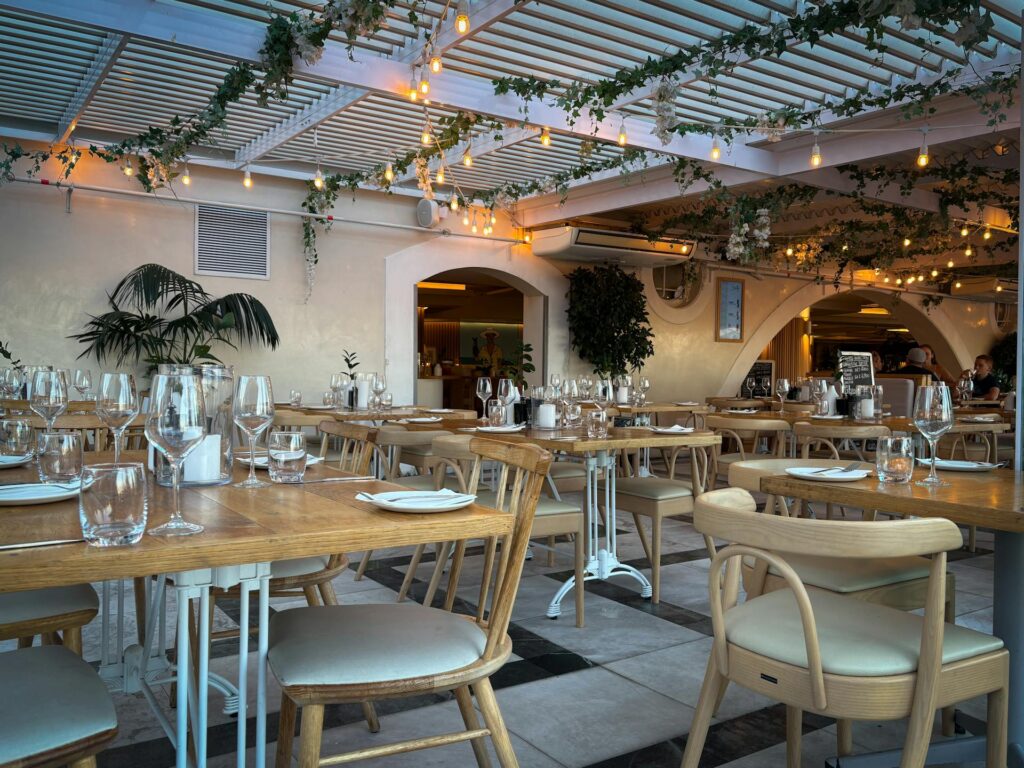
4. Design the Ambiance (Decorations)
In 2026, customers “eat with their eyes” first. Your restaurant should be visually appealing and stand out on social media.
- Lighting: Warm lighting creates a cozy mood; bright lighting suits fast food.
- Comfort: Invest in comfortable seating. If customers aren’t comfortable, they won’t stay for dessert.
- Theme: Ensure your music, fragrance, and wall art match your food concept. Soft jazz works for a bistro; pop music works for a burger joint.
- Getty Images
5. Engineer Your Menu (Quality of Food)
People visit your restaurant for one main reason: the food. However, an extensive menu can be a mistake.
- Keep it Focused: A smaller menu with 10 amazing dishes is better than a 50-page menu of average food.
- Consistency is key. Your chef must be able to replicate the exact taste every time.
- Flexibility: Be ready to accommodate allergies or minor customizations, as customer satisfaction is paramount.
6. Embrace Modern Technology
Technology is essential for your business. Beyond “TV and WiFi,” operational technology is a must:
- POS System: Use a robust Point of Sale system designed for restaurants to automatically track daily sales and manage inventory in real time.
- Online Ordering: Integrate with major delivery apps (Zomato, Swiggy, Uber Eats).
- QR Codes: Implement QR codes so guests can view menus, place orders, or pay from their smartphones, speeding up service and reducing wait times.
7. Strategic Marketing
You cannot simply open the doors and hope people arrive. You must create demand with effective marketing.
- Social Media: Post mouth-watering reels of your food on Instagram and TikTok to create visual hunger.
- Google My Business: Don’t just list yourself. Optimize your profile. Add high-quality photos and encourage early reviews. Only then will you appear when locals search “restaurants near me.”
- Smart Launch Promotions: Avoid heavy discounts that might weaken your brand. Consider value-add offers, like a complimentary dessert or drink. This attracts customers without training them to expect cheap food.
8. Hire and Train Staff (Quick Service)
Your staff is the face of your brand. Slow service hurts appetite.
- Training: Train your waiters to know the menu inside out so they can recommend dishes.
- Ensure the kitchen and the front of house communicate well. This minimizes waiting times.
Conclusion
Deciding to start a restaurant business is an exciting journey, but it is not for the faint-hearted. It requires a balance of creativity (food & decor) and discipline (finances & operations).
Follow these steps, from choosing a location to using technology. You aren’t just opening a restaurant; you’re building a brand that lasts. Good luck!